Customer-Focused Strategies to Tackle ADAS Impact in Auto Glass
Customer-Focused Strategies to Tackle ADAS Impact in Auto Glass
How ADAS Impacts Windshield Replacement
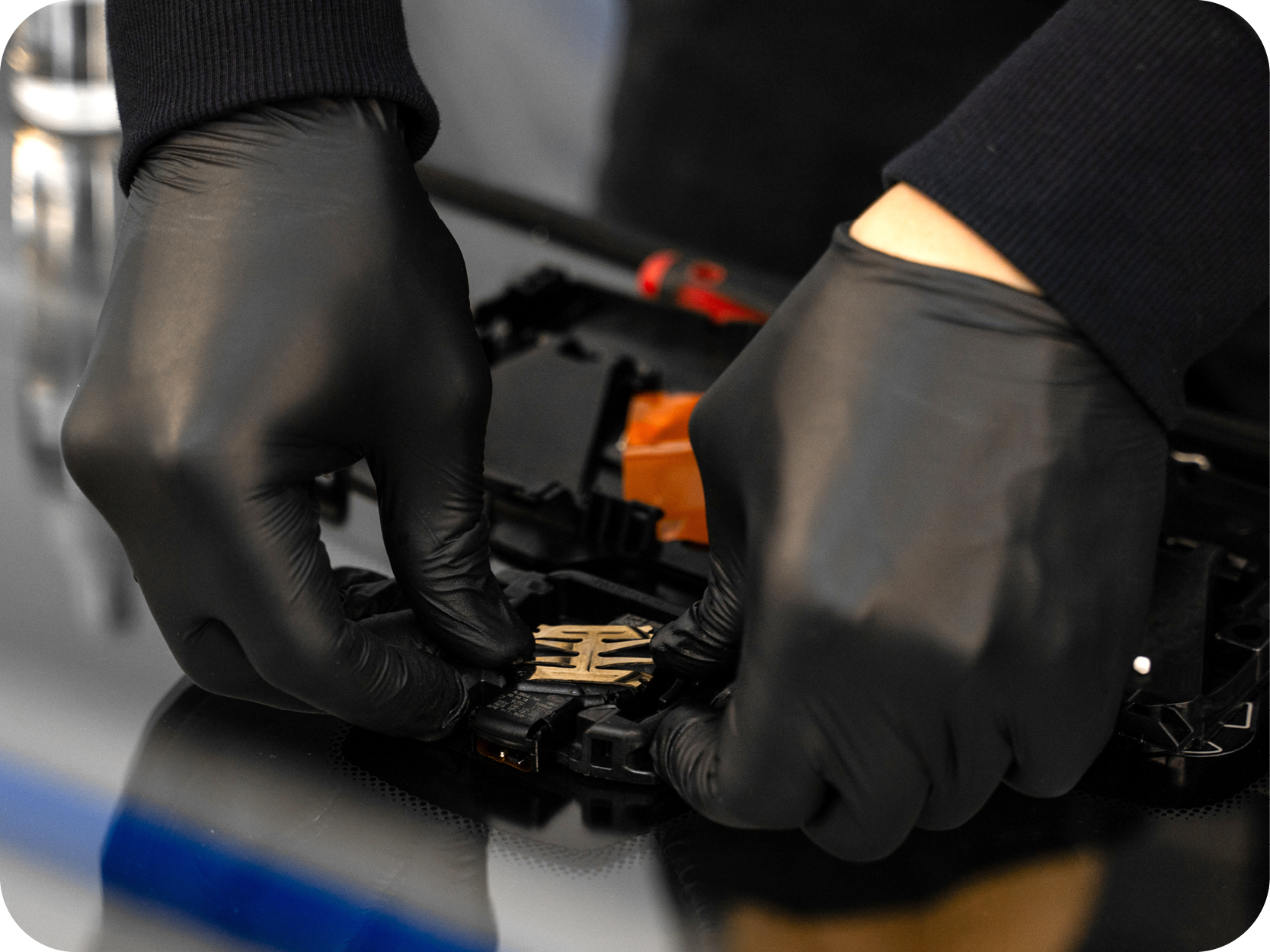
Advanced driver assistance systems, or ADAS, are an array of automotive technologies supporting driver visibility, awareness, reaction, notification, and even automation. These systems rely on a series of cameras, sensors, radar and sometimes even LiDAR or AI technology.
Whenever these systems are forward-facing, they include at least one unit mounted to the inside of the windshield. Many forward-facing units are critical to key safety systems, including automatic emergency braking (AEB), lane-keeping assistance (LKA), forward collision warning (FCW) and more. And as of 2023, AEB technology is now standard on over 95% of passenger vehicles sold in the United States.
Here's how the adoption of ADAS technology impacts the auto glass industry:
-
The position of forward-facing cameras and sensors, relative to the windshield, is critical for system performance.
-
Automotive manufacturers require calibrations of windshield-mounted ADAS units if the unit is disconnected from power, or removed and re-installed, or removed and replaced as a part of the windshield replacement or repair process.
-
ADAS-equipped vehicles require specific, and generally more expensive, windshield glass, and sometimes OE glass is required.
-
Calibrating ADAS technology requires a technician trained in those skills and adds additional time and cost to the glass service.
-
Static ADAS calibrations generally need to be performed in an environment that meets stringent requirements for level flooring, lighting, sight lines and more, meaning that windshield replacements may not be possible at the customer’s location.
-
Dynamic calibrations require the technician to drive the customer's vehicle, sometimes for up to an hour, or even longer, under specific conditions for the calibration to complete correctly.
While ADAS technology and associated calibrations are the most impactful drivers of change in the automotive glass service industry, there are others. One such driver of change that rarely gets the attention it deserves is the national trend of domestic migration toward certain states (generally in the south).
Domestic Migration Helps Drive Uptick in Windshield Replacement Demand
For more than a decade, southern states have dominated domestic migration—the movement of U.S. citizens and permanent residents from one state or region to another. Texas, Florida, North and South Carolina, Arizona, Georgia and Tennessee have consistently been in the top destinations for domestic migration, both by numeric growth and as a percentage of total migration. Surprisingly, domestic migration to these states is driving an uptick in the demand for windshield replacements.
The trend is driven by:
-
Higher summer temperatures and more intense seasonal sunlight that weakens windshield glass, making it more prone to breakage if impacted by road debris.
-
Temperature disparity, such as hot air outside the windshield and cold, air-conditioned air inside that can also weaken the structural integrity of the glass.
-
Southeastern and Gulf-Coast regions are also more prone to hurricanes and periods of high wind, increasing the likelihood of windshield damage due to wind-borne debris.
-
Texas and the Carolinas are in some of the areas that experience the most frequent hail in the nation, with Texas even being part of the infamous “hail alley" of the central United States.
Opportunities to Support Vehicle Owners
Even just a decade ago, windshield replacements were a relatively manual process, albeit one that required precision, safety and craftsmanship. But today, ADAS is driving change in repair time, costs, technician skill and even where the service can take place. Vehicle owners may not be prepared for these changes, and here’s how the insurance and auto glass service industries can help our mutual customers navigate the changing landscape.
For the Automotive Insurance Industry:
-
Talk to your policyholders with newer vehicles about the changes ADAS has made to automotive glass service and windshield replacement, including rising costs associated with ADAS technology.
-
If your policyholders lack comprehensive glass coverage, consider suggesting it to them, especially for vehicles model year 2019 and newer or if your policyholder has recently relocated to a region of higher risk.
-
Check to see if your policyholders’ deductibles are right for them, especially since 27% of Americans cannot afford to pay their auto insurance deductible.
-
If your customer with an ADAS-equipped vehicle does place a comprehensive glass claim, let them know how to properly prepare their vehicle for calibration.
For the Auto Glass Service Industry:
-
Take time to discuss the windshield replacement estimate with your customers, including explaining why ADAS calibration is so important.
-
If the windshield replacement will require the vehicle to be brought to a certified facility for calibration, work with the customer to choose the location that’s best for them.
-
Discuss payment options and offer solutions to the customer, especially if they lack coverage or prefer not to leverage it.
A Call-to-Action for the Automotive Insurance and Auto Glass Service Industries
As the automotive landscape evolves with the integration of ADAS and other advanced technologies, it is essential for both the insurance and auto glass service industries to collaborate in supporting their customers. By educating policyholders about their coverage options, helping them navigate the costs and processes associated with modern vehicle repairs, and ensuring transparent communication throughout the service journey, we can empower drivers to make informed decisions and feel confident in the protection and service they receive. Together, we can raise the standard of care and create a more positive experience for every customer on the road.
Related Insights
Todd Dillender, COO, on Auto Glass & Policyholder Trust
In this 3:30 video, Caliber Chief Operating Officer Todd Dillender outlines how adding Caliber Auto Glass to your portfolio of repair service providers can help you leverage the value of the Caliber brand to boost policyholder trust and, ultimately, retention.
Automotive Glass Replacement: 5 Questions Insurance Agents Ask
From understanding how ADAS calibrations impact windshield replacement procedures to how your policyholders should prepare their vehicles for glass repair and replacement, Caliber answers the top 5 questions auto insurance agents ask our automotive glass repair technicians.
Caliber Offers Financing Through Klarna for Auto Glass Claims
Caliber is supporting our mutual customers by offering flexible payment options, including financing through trusted leader Klarna. Financing can be used to cover the entire repair or just the deductible.